
1. Entwodiksyon
This manual provides essential information for the safe and efficient operation, setup, and maintenance of your VIVOHOME 1.5 HP 14.4 CFM 2-Stage HVAC Vacuum Pump. Please read these instructions thoroughly before using the product and retain them for future reference.
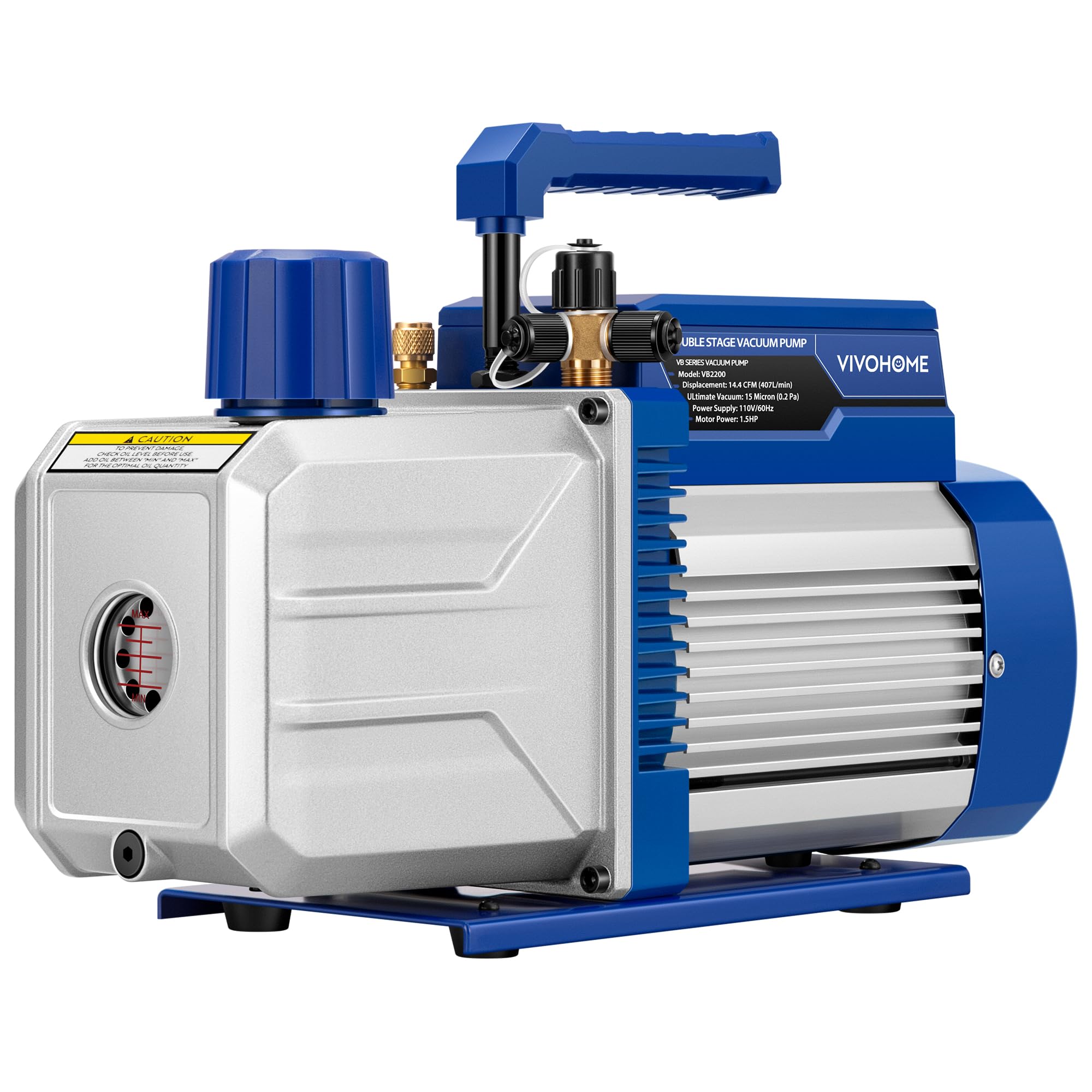
Figure 1: VIVOHOME 1.5 HP 14.4 CFM 2-Stage HVAC Vacuum Pump.
2. Enfòmasyon sou Sekirite
Toujou obsève prekosyon sekirite sa yo pou evite aksidan oswa domaj nan ekipman an:
- Asire w ke ekipman pou pouvwa a koresponn ak vòltaj ponp lan.tage kondisyon.
- Opere ponp lan nan yon zòn ki byen vantile.
- Mete ekipman pwoteksyon pèsonèl ki apwopriye, tankou linèt sekirite ak gan.
- Do not operate the pump without sufficient vacuum pump oil.
- Evite kontak ak sifas cho pandan ak apre operasyon an.
- Dekonekte kouran anvan ou fè nenpòt antretyen oswa reparasyon.
- Kenbe timoun yo ak pèsonèl ki pa otorize lwen zòn operasyon an.
3. Pwodwi Features
The VIVOHOME vacuum pump is designed for efficient and reliable performance in HVAC and refrigeration applications. Key features include:
- Powerful Dual-Stage Motor: 1.5 HP motor with a flow rate of 14.4 CFM, capable of achieving an ultimate partial vacuum of 0.2 Pa.
- Valv Ballast gaz: Helps eliminate condensable gases from the pump chamber, improving vacuum performance.
- Konsepsyon anti-reflu: Prevents oil from flowing back into the system, ensuring safe operation.
- Sistèm refwadisman efikas: Features a mesh vent, T-shaped motor heat fins, and a high-power cooling fan for effective heat dissipation and extended lifespan.
- Konsepsyon itilizatè-zanmitay: Ergonomic grip handle for portability, visible oil window with scale marks for easy monitoring, and a bottom oil drain valve for quick emptying.
- Versatile Inlet Ports: Includes 1/4" SAE, 1/2" ACME, and 3/8" SAE ports for compatibility with various systems and refrigerants (R12, R22, R134a, R410a, R404, R502).

Figure 2: Illustration of the pump's powerful performance metrics.

Figure 3: Diagram highlighting the efficient copper motor and its specifications.

Figure 4: Close-up of the gas ballast valve for enhanced evacuation efficiency.
4. Enstalasyon
4.1. Ranpli lwil oliv
- Retire bouchon lwil oliv la.
- Pour the provided vacuum pump oil into the oil filling port.
- Monitor the oil level through the visible oil window. Fill until the oil level is between the MIN and MAX marks on the scale. The recommended oil volume is between 520 ml and 630 ml.
- Ranplase bouchon lwil la byen fèm.

Figure 5: Illustration of the oil filling port and visible oil window with scale marks.
4.2. Konekte ak pouvwa
Connect the power cord to a suitable electrical outlet. Ensure the power switch is in the 'OFF' position before plugging in the unit.
4.3. Premye chèk yo
- Verifye tout koneksyon yo sere epi an sekirite.
- Ensure the pump is placed on a stable, level surface. The anti-slip feet provide stability.

Figure 6: The pump features a portable handle and anti-slip feet for ease of use and stability.
5. Operasyon Enstriksyon
5.1. Connecting to the System
- Select the appropriate inlet port (1/4" SAE, 1/2" ACME, or 3/8" SAE) for your system.
- Connect the vacuum hose from your HVAC or refrigeration system to the chosen inlet port on the pump. Ensure a tight seal to prevent leaks.

Figure 7: The pump's air inlet ports with anti-backflow mechanism.
5.2. Kòmanse ponp lan
- Ensure all connections are secure and the oil level is correct.
- Turn the power switch to the 'ON' position. The pump will begin to operate.
- The pump operates with low noise, typically below 70 dB.

Figure 8: The pump is designed for low noise operation, typically below 70 dB.
5.3. Monitoring Vacuum and Gas Ballast
Monitor the vacuum level using appropriate gauges connected to your system. If condensable gases are present, activate the gas ballast valve to help remove them and improve evacuation efficiency.
5.4. Compatible Refrigerants
This vacuum pump is compatible with various refrigerants, including R12, R22, R134a, R410a, R404, and R502.
5.5. Demonstrasyon Videyo
Watch this official video for a visual guide on the VIVOHOME 14.4 CFM Vacuum Pump's features and operation.
Video 1: VIVOHOME 14.4 CFM Vacuum Pump Overview. This video demonstrates key features and basic operation of the vacuum pump.
6. Antretyen
6.1. Checking and Refilling Oil
Regularly check the oil level through the visible oil window. If the oil level is below the MIN mark, refill with appropriate vacuum pump oil until it reaches between the MIN and MAX marks.

Figure 9: The visible oil window allows for easy monitoring of oil levels. Two bottles of 330ml vacuum oil are included.
6.2. Draining Oil
To drain old oil, place a suitable container under the oil drain valve located at the bottom of the pump. Open the valve to allow the oil to drain completely. Close the valve and dispose of used oil responsibly.

Figure 10: Location of the oil drainage valve for easy and quick oil changes.
6.3. Exhaust Port Filter
The exhaust port features a filter to separate oil mist from exhaust gases. Periodically inspect and clean or replace this filter as needed to maintain efficiency and a safer working environment.

Figure 11: The oil-filling port and exhaust port, showing the built-in cotton and metal filter.
6.4. Netwayaj
Keep the exterior of the pump clean and free from dust and debris. Use a dry cloth for cleaning. Do not use harsh chemicals or abrasive cleaners.
NAN. Depanaj
Si ou rankontre pwoblèm ak ponp vakyòm ou an, gade pwoblèm ak solisyon komen sa yo:
| Pwoblèm | Kòz posib | Solisyon |
|---|---|---|
| Ponp pa kòmanse | No power, faulty switch, motor overheating | Check power connection, inspect switch, allow pump to cool down. |
| Pèfòmans vakyòm pòv | Low oil level, contaminated oil, leaks in system/connections, clogged filter | Check/refill oil, change oil, check all connections for leaks, clean/replace exhaust filter. |
| Twòp bri oswa Vibration | Unstable surface, internal mechanical issue | Ensure pump is on a stable surface. If noise persists, contact customer support. |
| Bwouya lwil ki soti nan echapman an | Overfilled oil, dirty oil, clogged exhaust filter | Check oil level and adjust, change oil, clean/replace exhaust filter. |
8. Espesifikasyon
Detailed technical specifications for the VIVOHOME 1.5 HP 14.4 CFM 2-Stage HVAC Vacuum Pump:
| Karakteristik | Spesifikasyon |
|---|---|
| Manifakti | VIVOHOME |
| Nimewo Pati | VH1448 |
| Pwa atik | 30.4 liv |
| Dimansyon pwodwi | 15.1 x 5.4 x 10 pous |
| Nimewo Modèl Atik | VH1448US |
| Gwosè | 14.4 CFM |
| Koulè | Ble, Ajan |
| Materyèl | Aliminyòm, Plastik |
| Kantite pake atik | 1 |
| Konpozan ki enkli | 1 x 1.5 HP 14.4 CFM Vacuum Pump, 2 x Bottles of Oil (0.35qt./330ml), 1 x Manual Instruction |
| Batri enkli? | Non |
| Batri obligatwa? | Non |

Figure 12: Visual representation of the pump's dimensions.
9. Garanti
This VIVOHOME product comes with a 1-ane garanti from the date of purchase. This warranty covers defects in materials and workmanship under normal use. It does not cover damage caused by misuse, accident, unauthorized modification, or improper maintenance. Please retain your proof of purchase for warranty claims.
10. Sipò
For technical assistance, troubleshooting not covered in this manual, or warranty inquiries, please contact VIVOHOME customer support through their official websit oswa revandè kote yo te achte pwodwi a.
Visit the VIVOHOME Store: VIVOHOME Official Store