
1. Entwodiksyon
This manual provides essential information for the safe and effective use of your Laserliner 082.262A Inspection Camera. Please read these instructions carefully before operating the device and keep them for future reference. The Laserliner 082.262A is a robust inspection camera designed for visual inspection of inaccessible areas, featuring a 5mm diameter and 1m length probe.
2. Enfòmasyon sou Sekirite
Toujou obsève prekosyon sekirite sa yo pou evite blesi ak domaj nan aparèy la:
- Do not immerse the main unit in water. The camera probe is water-resistant, but the display unit is not.
- Pa sèvi ak aparèy la nan atmosfè eksplozif oswa toupre gaz oswa likid ki ka pran dife.
- Kenbe aparèy la pa rive nan men timoun yo.
- Do not attempt to modify or disassemble the device. Refer all servicing to qualified personnel.
- Asire w ke pil yo byen mete nan plas yo. Retire pil yo si w pa pral itilize aparèy la pou yon bon bout tan.
- Avoid direct eye exposure to the camera's LED lights.
3. Pake kontni
Verifye ke tout atik yo prezan lè w ap debale yo:
- Laserliner 082.262A Inspection Camera (main unit with display)
- Flexible camera probe (5mm diameter, 1m length)
- Batteries (Alkaline)
- Manyèl itilizatè
4. Pwodwi souview
Familiarize yourself with the components of your inspection camera.
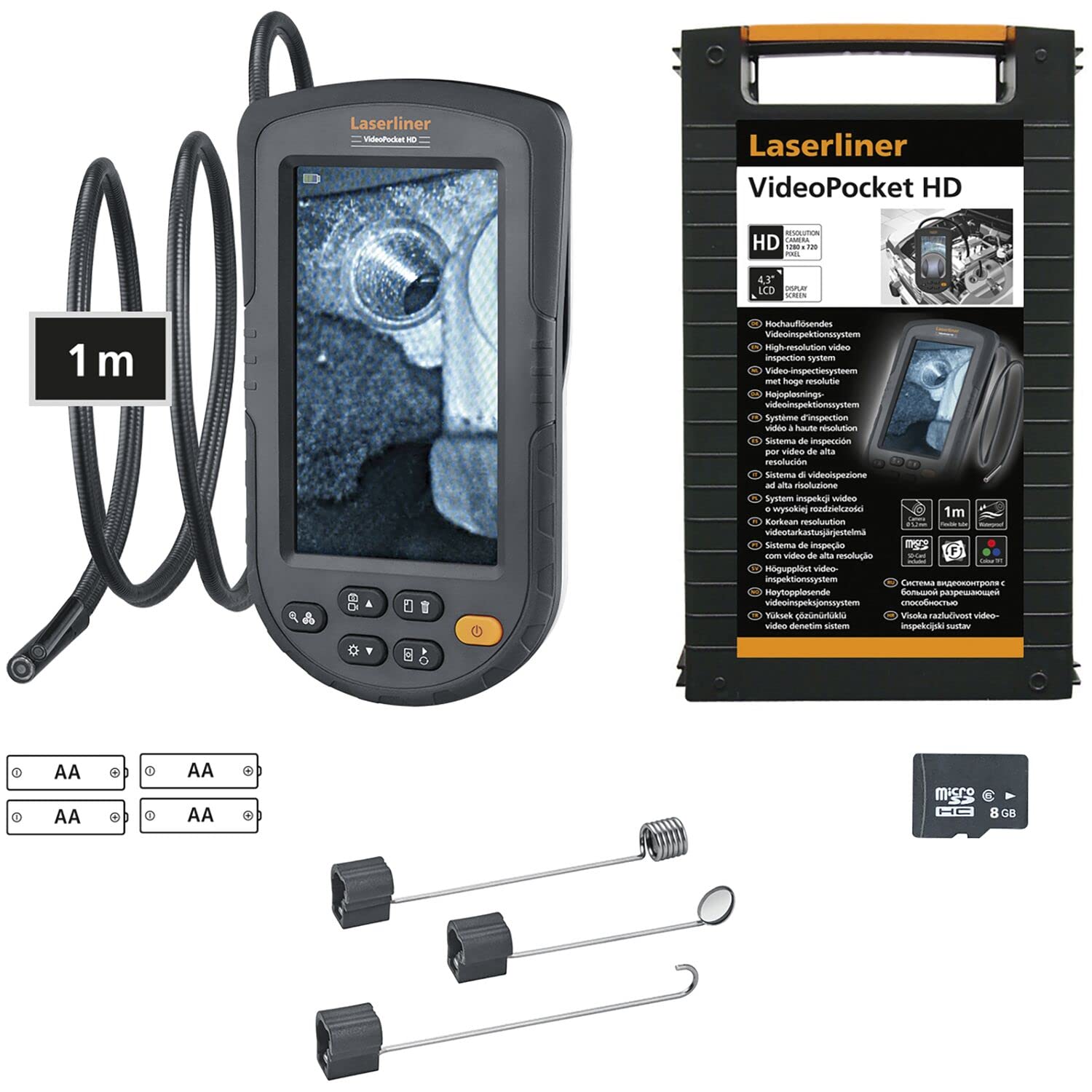
Figure 1: Laserliner 082.262A Inspection Camera. The image shows the handheld display unit connected to the flexible camera probe, ready for use.
The device consists of a main display unit with control buttons and a flexible probe with an integrated camera and LED lighting at its tip. The probe is designed to navigate tight spaces and transmit live video to the display.
5. Enstalasyon
Follow these steps to prepare your inspection camera for first use:
- Enstalasyon batri: Open the battery compartment on the rear of the main unit. Insert the provided alkaline batteries, ensuring correct polarity (+/-). Close the compartment securely.
- Koneksyon sonde: Connect the flexible camera probe to the designated port on the main unit. Ensure a firm connection.

Figi 2: Dèyè view of the inspection camera. This image illustrates the back of the device, including the product label and the area where the flexible probe connects.
6. Operasyon Enstriksyon
This section details how to operate your Laserliner 082.262A Inspection Camera.
6.1 Limen/Etenyen
- To power on: Press and hold the power button (usually orange) until the display illuminates.
- Pou etenn: Peze epi kenbe bouton pouvwa a ankò jiskaske ekran an etenn.
6.2 Kontwòl debaz yo
The main unit features several buttons for controlling the camera and display functions:
- Dirije klète: Adjust the intensity of the camera's LED lights for optimal visibility in dark environments.
- Wotasyon imaj: Rotate the image on the display for correct orientation, especially when the probe is twisted.

Figure 3: Image Rotation. This diagram illustrates how the image can be rotated on the display, showing 0, 90, 180, and 270-degree orientations.
6.3 Optimal Focus Distance
The camera has a fixed focus. For clear images, position the camera tip within the optimal focus range, typically a few centimeters from the object.
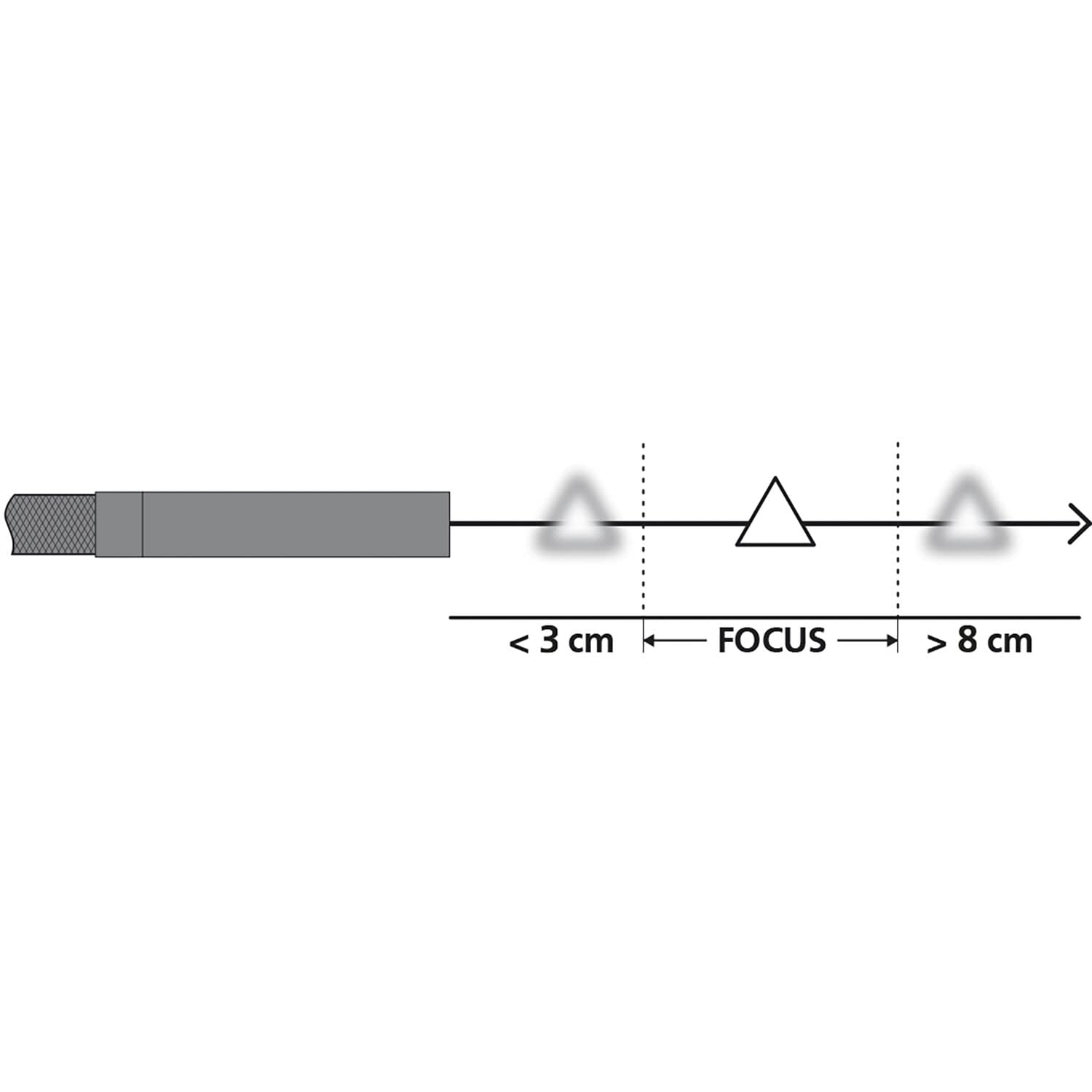
Figure 4: Focus Range. This diagram shows the recommended distance for clear imaging, indicating that objects too close (less than 3 cm) or too far (greater than 8 cm) may appear blurry, with an optimal focus zone in between.
6.4 Aplikasyon pratik
The inspection camera is versatile for various tasks:
- Enspeksyon aparèy: Examine internal components of dishwashers or other household appliances.
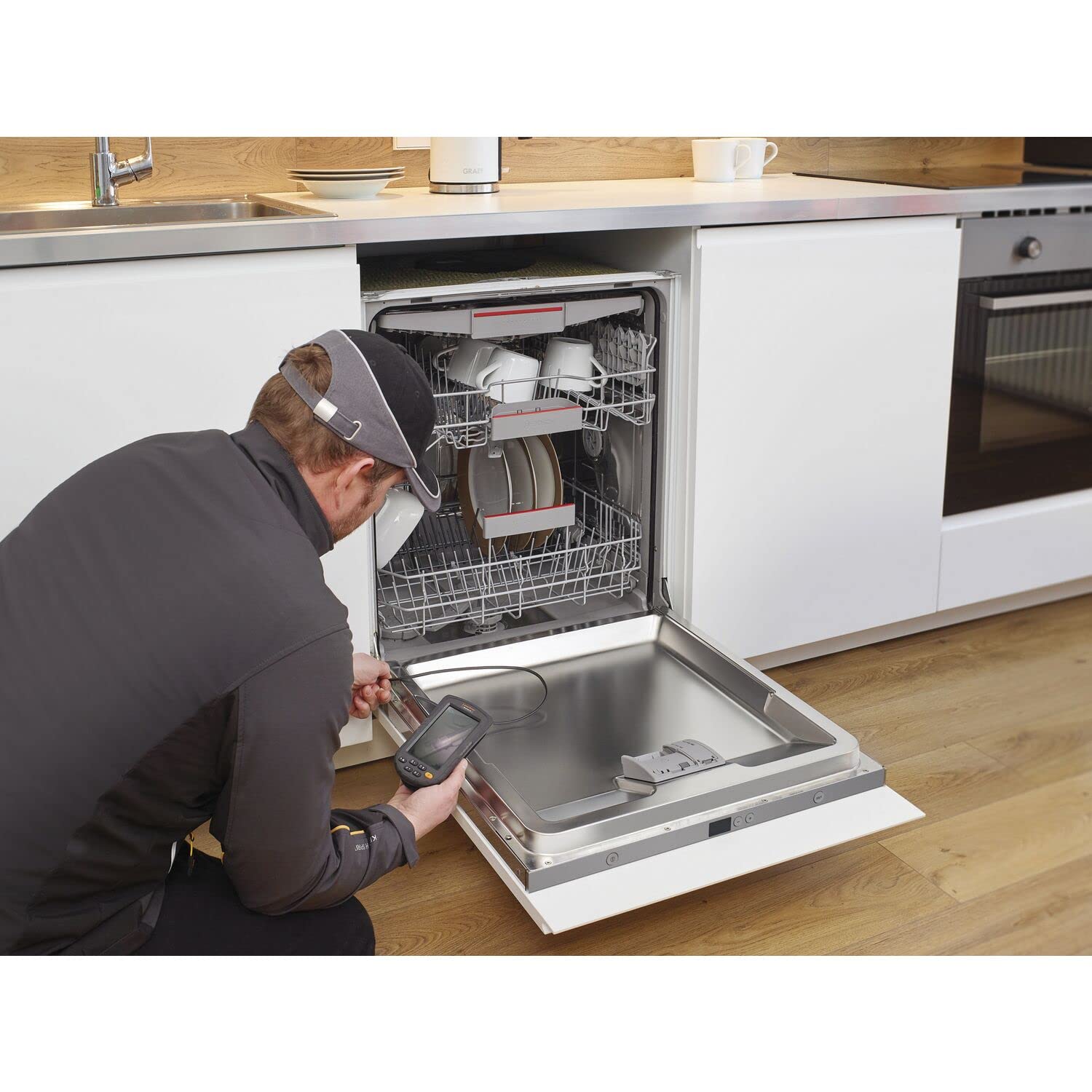
Figure 5: Dishwasher Inspection. A technician uses the inspection camera to view the internal workings of a dishwasher, checking for blockages or damage.
- Diagnostik otomobil: Inspect engine compartments, cylinders, or other vehicle parts.

Figure 6: Engine Inspection. The camera probe is inserted into an engine bay, allowing for visual inspection of internal components without extensive disassembly.
- Plumbing and Drainage: Check pipes, drains, and sewage systems for clogs or damage.

Figure 7: Drain Inspection. The camera is used to inspect a floor drain, providing a clear view of the pipe's interior.
- Cavity and Wall Inspections: Explore behind walls, ceilings, or other enclosed spaces.

Figure 8: Ceiling Cavity Inspection. The camera probe is inserted into a ceiling opening to inspect the hidden space above.
- Sink and Shower Drains: Aksè ak view blockages or issues in bathroom plumbing.

Figure 9: Sink Drain Inspection. The camera is positioned to inspect the U-bend of a sink drain, revealing any obstructions.

Figure 10: Shower Drain Inspection. The camera probe is inserted into a shower drain to check for blockages or pipe conditions.
- Gutter and Downspout Inspection: Identify debris or damage in exterior drainage systems.
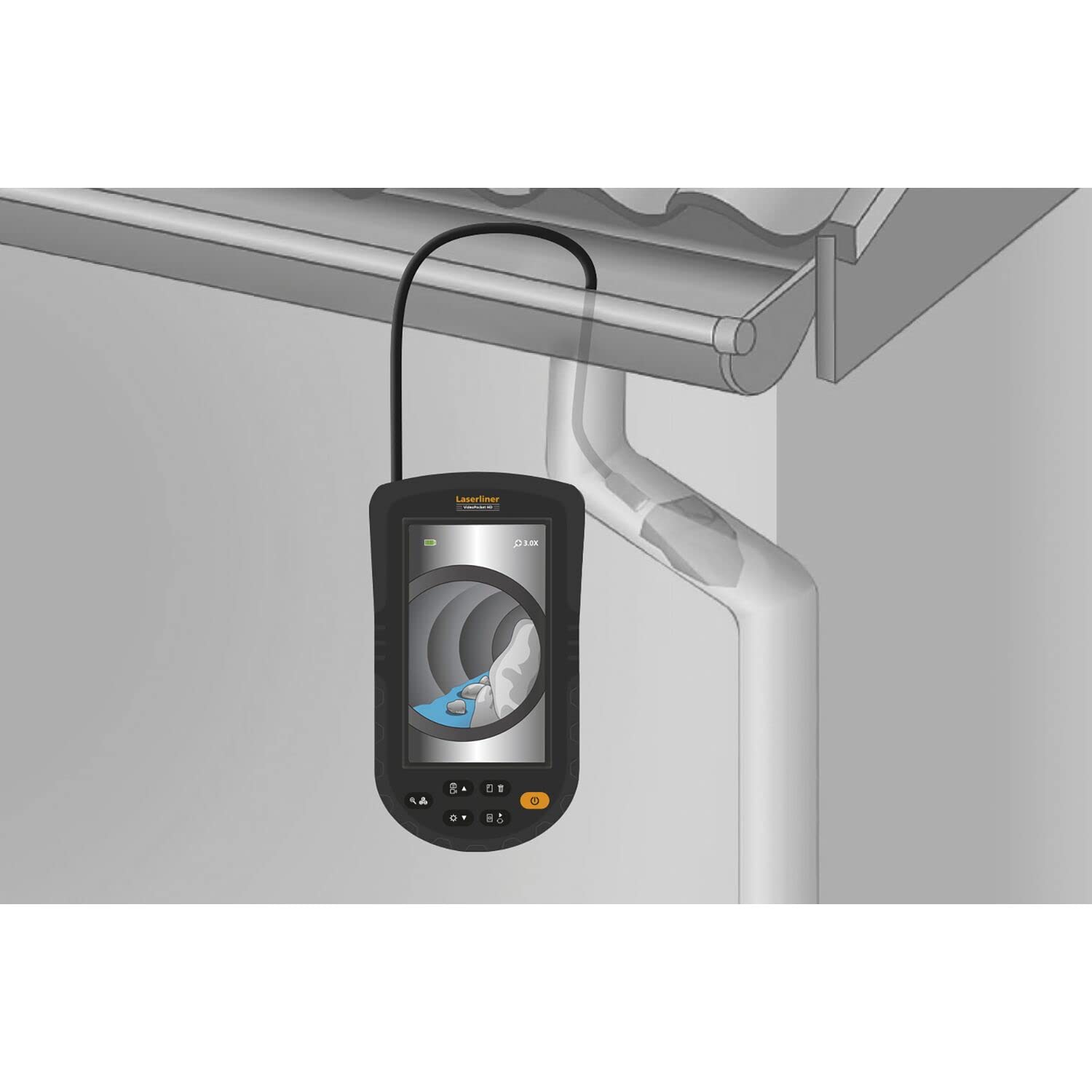
Figure 11: Gutter Inspection. The camera is used to inspect a gutter and downspout, showing the presence of leaves and debris.
7. Antretyen
Bon antretyen asire lonjevite ak pèfòmans aparèy ou an.
- Netwayaj: Wipe the main unit with a soft, dry cloth. The camera probe can be cleaned with a damp cloth and mild detergent. Ensure no liquid enters the main unit.
- Swen batri: Replace batteries when the low battery indicator appears. Remove batteries if the device is not used for extended periods to prevent leakage.
- Depo: Store the device in a cool, dry place, away from direct sunlight and extreme temperatures. Coil the probe loosely to avoid kinking.
NAN. Depanaj
Si ou rankontre pwoblèm, gade pwoblèm ak solisyon komen sa yo:
| Pwoblèm | Kòz posib | Solisyon |
|---|---|---|
| Aparèy pa limen | Pil ki fèb oswa ki mouri; Enstalasyon pil ki pa kòrèk | Ranplase pil yo; Tcheke polarite pil yo |
| Pa gen imaj ki parèt | Probe not connected properly; Damaged probe | Ensure probe is securely connected; Contact support if probe is damaged |
| Imaj la twoub | Object too close or too far from camera; Dirty camera lens | Adjust distance to object (refer to focus diagram); Clean camera lens gently |
| Limyè ki ap dirije pa travay | LED brightness set to minimum; Faulty LEDs | Increase LED brightness using controls; Contact support |
If the problem persists after trying these solutions, please contact Laserliner customer support.
9. Espesifikasyon
Detailed technical specifications for the Laserliner 082.262A Inspection Camera:
| Karakteristik | Spesifikasyon |
|---|---|
| Manifakti | laserliner |
| Dimansyon pwodwi (L x W x H) | 12 x 19 x 14 cm |
| Nimewo Modèl Atik | 082.262A |
| Materyèl | Plastik |
| Fòm | Kare |
| Kantite atik nan pake a | 1 |
| Sistèm Mezi | Endikatè |
| Batri enkli | Wi |
| Batri obligatwa | Wi |
| Konpozisyon batri | Alkalin |
| Pwa atik | 370 gram |
| Peyi orijin | Lachin |
| ASIN | B0BYKBV8ZC |
10. Garanti ak sipò
For warranty information, please refer to the documentation provided with your purchase or visit the official Laserliner website. For technical support or service inquiries, contact Laserliner customer service directly.
Spare parts availability: Information unavailable.
11. Enfòmasyon sou jete
Electronic devices and batteries must not be disposed of with household waste. Please dispose of them according to local regulations at designated collection points for electronic waste and batteries. Proper disposal helps protect the environment and human health.