
1. Entwodiksyon
This manual provides essential information for the installation, operation, and maintenance of the ECCPP D1313 Rear Ceramic Disc Brake Pad Set. Adherence to these instructions is crucial for optimal performance and safety. Professional installation is recommended.
2. Pwodwi souview
The ECCPP D1313 Rear Ceramic Disc Brake Pad Set is designed to meet OEM specifications, providing reliable braking performance with a low-dust, noise-free formula. These ceramic brake pads are thermal scorched for quick break-in and feature chamfered and slotted designs for quiet operation.
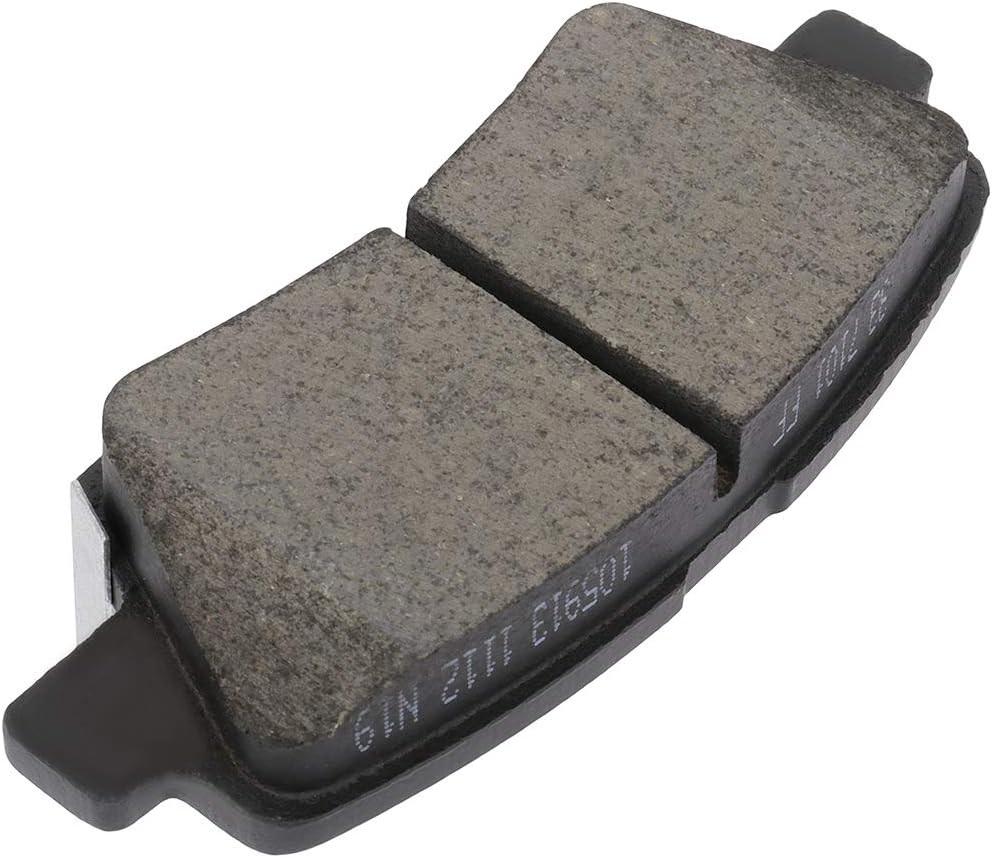
Figi 2.1: An individual ECCPP D1313 ceramic brake pad, showing its friction material and backing plate.
3. Konpatibilite
This brake pad set (OEM Part Number D1313-8428) is compatible with the rear left and right of the following vehicle models:
- 2009-2011 for Hyundai Azera
- 2010 for Hyundai Elantra
- 2008-2010 for Hyundai Sonata
- 2007-2009 for Kia Amanti
- 2010-2013 for Kia Soul
Always verify compatibility with your vehicle's specific make, model, and year before installation.
4. Pake kontni
Pake a gen ladan:
- 4 x Rear Ceramic Brake Pads (D1313-8428)

Figi 4.1: Packaging for the ECCPP D1313 Rear Ceramic Brake Pad Set.
5. Enstriksyon Enstalasyon
Warning: Brake system work requires specialized knowledge and tools. Improper installation can lead to brake failure and serious injury. It is highly recommended that brake pad replacement be performed by a qualified mechanic.
General Steps (Consult a service manual for your specific vehicle):
- Preparasyon: Park the vehicle on a level surface, engage the parking brake, and block the wheels. Loosen lug nuts on the wheels to be serviced.
- Veyikil leve: Safely lift the vehicle using a jack and secure it with jack stands. Remove the wheels.
- Retire kaliper la: Carefully remove the caliper mounting bolts and slide the caliper off the rotor. Do not let the caliper hang by the brake hose; support it with a wire or bungee cord.
- Retire ansyen kousinen yo: Retire ansyen plak fren yo nan sipò etriye a. Note oryantasyon yo.
- Netwaye ak Enspekte: Clean the caliper bracket and inspect the brake rotor for wear, scoring, or warping. Replace rotors if necessary.
- Enstale nouvo kousinen yo: Install the new ECCPP D1313 ceramic brake pads into the caliper bracket, ensuring they are correctly seated. Apply brake lubricant to contact points as specified by your vehicle's service manual.
- Retrè Piston: Use a caliper piston compression tool to retract the caliper piston(s) to accommodate the new, thicker brake pads. Open the brake fluid reservoir cap before doing this.
- Remonte: Reinstall the caliper onto the rotor and secure the caliper mounting bolts to the manufacturer's specified torque.
- Etap final yo: Reinstall the wheels, lower the vehicle, and tighten lug nuts to specification. Pump the brake pedal several times to seat the pads and restore pedal pressure before driving. Check brake fluid level.
6. Operating and Break-in Procedure
After installing new brake pads, a proper break-in procedure is essential to ensure optimal performance and longevity. This process, often called "bedding-in," transfers an even layer of friction material to the rotors.
Recommended Break-in Procedure:
- Drive at a moderate speed (e.g., 30-40 mph) and apply the brakes with moderate pressure, slowing down to about 10 mph. Do not come to a complete stop. Repeat this 5-6 times.
- Allow the brakes to cool by driving for several minutes without heavy braking.
- Repeat the moderate braking sequence (5-6 times) from a slightly higher speed (e.g., 40-50 mph).
- Allow the brakes to cool again.
- Avoid hard braking or prolonged braking (e.g., down a long hill) for the first 200-300 miles after installation.
During the break-in period, you may notice a slight odor or reduced braking effectiveness. This is normal. The ECCPP ceramic pads are thermal scorched for a fast break-in, but following this procedure will maximize their performance.
7. Antretyen ak Enspeksyon
Regular inspection and maintenance of your brake system are vital for safety and performance.
- Chèk woutin: It is recommended to check the entire brake pad system every 5,000 kilometers (approximately 3,000 miles) to ensure normal operation and identify any wear or damage.
- Entèval Ranplasman:
- Front Pads: Typically within 30,000-50,000 kilometers (18,000-30,000 miles).
- Rear Pads: Typically within 50,000-70,000 kilometers (30,000-43,000 miles).
These are general guidelines; actual replacement intervals depend on driving conditions, habits, and vehicle type. Always replace pads when they reach their minimum thickness specification.
- Enspeksyon rotor: Inspect brake rotors for excessive wear, deep grooves, cracks, or warping. Replace rotors if they are below minimum thickness or show signs of damage.
- Likid fren: Check brake fluid level and condition regularly. Consult your vehicle's manual for recommended brake fluid type and replacement intervals.
- Lapwòpte: The low-dust formula of ECCPP brake pads helps keep wheels clean, but regular cleaning of wheels and brake components can prevent buildup.
NAN. Depanaj
If you experience any issues with your brake system after installation, consider the following common problems and solutions:
- Bri fren (Kriye/Griye):
- Kòz: Improper installation, lack of lubrication on contact points, worn rotors, or foreign debris.
- Solisyon: Re-check installation, ensure proper lubrication on caliper slides and backing plates (avoiding friction material), inspect rotors for wear, and ensure proper break-in.
- Pèfòmans frenaj redwi:
- Kòz: Improper break-in, air in the brake lines, contaminated pads, or worn rotors.
- Solisyon: Ensure proper break-in procedure was followed. Bleed the brake system if air is suspected. Inspect pads for contamination (oil, grease). Check rotors.
- Vibration or Pulsation During Braking:
- Kòz: Warped brake rotors, uneven pad material transfer, or loose wheel bearings.
- Solisyon: Inspect rotors for warping. Ensure proper break-in. Check wheel bearings. Rotor warping can be caused by lack of maintenance to the vehicle's braking components.
- Excessive Brake Dust:
- Kòz: While ECCPP pads are low-dust, some dust is normal. Excessive dust might indicate an issue with the pad material or rotor wear.
- Solisyon: Monitor dust levels. If significantly higher than expected, inspect pads and rotors for unusual wear patterns.
Si pwoblèm yo pèsiste, konsilte yon teknisyen otomobil ki kalifye.
9. Espesifikasyon
| Karakteristik | Detay |
|---|---|
| Mak | ECCPP |
| Nimewo Modèl | D1313 |
| Nimewo OEM Pati | D1313-8428 |
| Materyèl | Seramik |
| Pozisyon Pati Auto | Dèyè |
| Espesifikasyon Met | OEM |
| Pwa atik | 1.74 liv |
| Dimansyon pwodwi | 5.91 x 4.53 x 2.76 pous |
| Karakteristik espesyal | Teknoloji Avanse, Enstalasyon Fasil, Bri ki Ba, Matche ak Modèl Espesifik, Espesifikasyon OEM |
10. Garanti ak sipò
ECCPP products are designed and manufactured to high standards. For any inquiries or support, please contact ECCPP customer service. ECCPP provides 24-hour service for all brake products.
For further assistance, please refer to the official ECCPP websit la oubyen kontakte chanèl sèvis kliyan yo.
11. Limit responsabilite nou legal
All references to brand names and models are for compatibility purposes only and do not imply any affiliation or endorsement by the original manufacturer.