
1. Entwodiksyon
This manual provides essential information for the safe and effective use of the DAOKAI 1S 3.7V 4A Lithium Battery Protection Board (BMS). This module is designed to protect single-cell 18650 lithium-ion batteries from common issues such as overcharge, overdischarge, short circuits, and overcurrent, ensuring the longevity and safety of your battery applications. Please read these instructions carefully before installation and operation.
2. Pwodwi souview
The DAOKAI 1S 3.7V 4A BMS is a compact and efficient battery management system for single-cell lithium batteries. It integrates critical protection circuits to safeguard the battery during charging and discharging cycles. The board features DW01 and 8205A IC components for reliable performance.
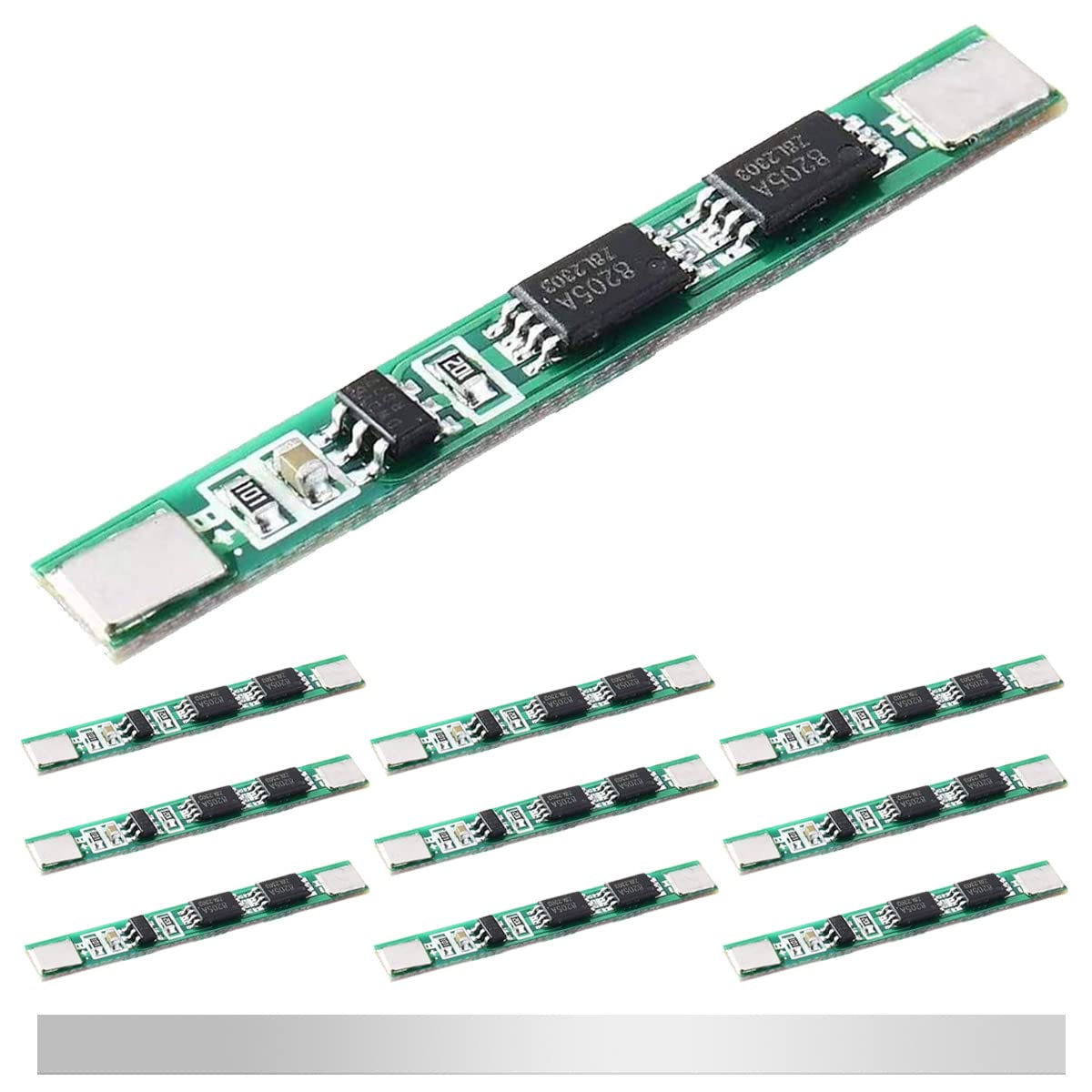
Figi 2.1: Jeneral view of the DAOKAI 1S 3.7V 4A Lithium Battery Protection Board.

Figi 2.2: Close-up view of the protection board, highlighting its compact design and integrated components.
3. Karakteristik kle
- Pwoteksyon twòp chaj: Prevents battery damage from excessive charging voltage.
- Pwoteksyon kont twòp egzeyat: Safeguards the battery from being discharged below a safe voltage nivo.
- Pwoteksyon Kout Awondisman: Koupe kouran an otomatikman nan ka ta gen yon kous kout.
- Pwoteksyon Surkouran: Limits the current draw to prevent damage to the battery and connected devices.

Figure 3.1: Visual representation of the integrated protection features.
4. Espesifikasyon
| Paramèt | Valè |
| Deteksyon Surcharge Voltage | 4.25 ± 0.05V |
| Surcharge Release Voltage | 4.23 ± 0.05V |
| Overdischarge Detection Voltage | 2.45 ± 0.1V |
| Kouran egzeyat kontinyèl | 4 A (MAX) |
| Overcurrent Detection Current | 5 A |
| Chaje Voltage | 4.2 V |
| Dimansyon (L x W x H) | 35 x 4 x 2.2 mm |
| IC Components | DW01 + 8205A x 2 |
| Nimewo Modèl | DE-DA-005 |

Figure 4.1: Physical dimensions of the BMS board.

Figure 4.2: The protection board's compact size, shown in hand for scale.
5. Enfòmasyon sou Sekirite
Always observe the following safety precautions when working with lithium batteries and protection circuits:
- Ensure correct polarity when connecting the battery to the BMS. Incorrect connections can cause damage to the board, battery, or connected devices.
- Do not exceed the specified maximum continuous discharge current (4A) or overcurrent detection current (5A).
- Use appropriate charging voltage (4.2V) for 1S lithium batteries.
- Evite kout-sikwi tèminal pwodiksyon yo.
- Handle the board with care to prevent electrostatic discharge (ESD) damage.
- Kenbe soti nan atenn timoun yo.
- If the board shows signs of damage or malfunction, discontinue use immediately.
6. Enstalasyon ak fil elektrik
Proper wiring is crucial for the correct function and safety of the BMS. Refer to the diagram below for connection details.

Figure 6.1: Wiring Diagram for 1S 3.7V Lithium Battery Protection Board.
Enstriksyon fil elektrik:
- B+: Connect this terminal to the pozitif (+) terminal of your 3.7V lithium battery.
- B-: Connect this terminal to the negatif (-) terminal of your 3.7V lithium battery.
- P+: Sa a se pozitif (+) terminal for the battery pack's output and charging input. Connect your load or charger positive here.
- P-: Sa a se negatif (-) terminal for the battery pack's output and charging input. Connect your load or charger negative here.
Ensure all connections are secure and properly insulated to prevent accidental short circuits.

Figi 6.2: Egzample application of the protection board in a battery pack.
7. Operasyon
Once correctly wired, the BMS operates automatically to protect the connected lithium battery. During charging, it monitors the battery voltage to prevent overcharge. During discharge, it ensures the battery does not drop below its safe minimum voltage and limits current to prevent overcurrent conditions. In case of a short circuit, the protection circuit will activate, temporarily cutting off the output.
8. Antretyen
The DAOKAI BMS board requires minimal maintenance. To ensure optimal performance and longevity:
- Keep the board clean and free from dust and moisture.
- Evite ekspoze tablo a nan tanperati ekstrèm oswa nan limyè solèy dirèk.
- Periodically inspect connections for any signs of corrosion or loosening.
- Do not attempt to modify or repair the board yourself. Contact qualified personnel if issues arise.
NAN. Depanaj
- Pa gen Sòti Voltage: Check all wiring connections for correct polarity and secure contact. Verify the battery voltage is within the operational range (above overdischarge detection voltage). A short circuit might have triggered protection; remove the short and reconnect.
- Batri pa chaje: Asire vol la chajetage is 4.2V. Check connections to P+ and P-. The battery might be fully charged, or overcharge protection has been activated.
- Output Cuts Off Under Load: This indicates overcurrent protection. Reduce the load or ensure the continuous discharge current does not exceed 4A. Check for any partial short circuits in the load.
10. Pake kontni
Pake a gen ladan:
- 10 x DAOKAI 1S 4A 3.7V 18650 Lithium Battery Protection Boards
- 1 x 1m Nickel Strip
11. Garanti ak sipò
DAOKAI products are manufactured to high-quality standards. For any technical support or warranty inquiries, please refer to your purchase documentation or contact the seller directly. Keep your proof of purchase for warranty claims.