
PULACO PL-128-1
PULACO 95GPH 5W Mini Submersible Water Pump Instruction Manual
Model: PL-128-1
1. Entwodiksyon
This manual provides essential instructions for the safe and efficient operation, setup, and maintenance of your PULACO 95GPH 5W Mini Submersible Water Pump. This compact pump is designed for various water circulation applications, including small to medium-sized aquariums, fish tanks, ponds, tabletop fountains, water gardens, and hydroponic systems.
Karakteristik kle:
- Ultra-trankil konsepsyon: Engineered for minimal noise output, providing a peaceful environment.
- Pousantaj koule reglabl: Features a knob for controlling water flow, with a maximum rate of 95 GPH (360 L/H).
- Detachable ak netwayabl: Designed for easy disassembly without tools, simplifying maintenance.
- Mini gwosè: Compact dimensions (1.8 x 1.8 x 1.4 inches) allow for discreet placement.
Nòt Sekirite Enpòtan: This submersible pump must be fully submerged in water before being powered on. Operating the pump without water (dry running) will cause damage to the motor and shorten its lifespan.

Image 1.1: The PULACO Mini Submersible Water Pump is suitable for diverse applications such as aquariums, pet fountains, pond fountains, and hydroponic setups.
2. Pwodwi konpozan
Carefully unpack the contents and ensure all items are present and undamaged.
- 1 x PULACO Mini Submersible Water Pump (Model PL-128-1)
- 3 x Suction Cups (pre-attached or separate)
- 1 x Nozzle (0.3 inch diameter)
- 1 x Tubing (approximately 3.3 feet / 1 meter in length)

Image 2.1: The PULACO Mini Submersible Water Pump, including its power cord and clear tubing accessory.

Image 2.2: The pump's compact size, shown held in a hand, allows for easy integration into various setups.
3. Enstriksyon Enstalasyon
- Tache tib: Connect the provided nozzle to the pump's outlet. Then, attach the clear tubing to the nozzle. Ensure a secure fit to prevent leaks.
- Plasman: Position the pump in your desired water feature (aquarium, pond, fountain, etc.). The pump is designed to operate fully submerged.
- Ponp sekirite: Use the three suction cups located on the bottom of the pump to firmly attach it to a clean, smooth surface within the water. This helps prevent movement and reduces vibration.
- Submerge nèt: Ensure the pump is entirely underwater before connecting it to a power source. This is critical to prevent motor damage from dry running.
- Konekte pouvwa: Once fully submerged, plug the pump's power cord into a standard 120V electrical outlet.

Image 3.1: Illustration of the adjustable flow rate control and the suction cups for secure installation.
4. Operasyon Enstriksyon
- Pouvwa sou: After ensuring the pump is fully submerged, plug it into a 120V power outlet. The pump will begin operating immediately.
- Ajiste To Debi a: Locate the adjusting knob on the pump. Rotate the knob to increase or decrease the water flow rate according to your application's requirements. The maximum flow rate is 95 GPH (360 L/H) without tubing, and the maximum lift is 3.0 ft (0.9 M).
- Pouvwa Off: Pou kanpe ponp lan, jis debranche li nan priz elektrik la.
The pump's reliable motor is designed for quiet operation, making it suitable for environments where noise reduction is desired.

Image 4.1: The pump's ultra-quiet operation ensures a peaceful environment, even near sleeping areas.
5. Antretyen
Regular cleaning is essential to maintain the pump's performance and extend its lifespan. It is recommended to clean the pump approximately every two months, or more frequently if debris accumulation is observed.
- Dekonekte pouvwa: Always unplug the pump from the power outlet before performing any maintenance.
- Remove from Water: Carefully remove the pump from its submerged location.
- Demonte: The pump is designed for easy disassembly without tools. Gently separate the pump housing components to access the impeller.
- Konpozan pwòp: Rinse all parts, including the impeller, housing, and inlet screen, under clean water. Use a small brush or cotton swab to remove any accumulated debris, algae, or mineral deposits. Pay close attention to the impeller area, as blockages here can significantly reduce performance or cause noise.
- Remonte: Once all parts are clean, reassemble the pump, ensuring all components fit securely.
- Return to Water: Place the cleaned pump back into the water, ensuring it is fully submerged before reconnecting power.
Atansyon: If the pump suddenly stops working or produces unusual noises, it is often due to debris blockage. Promptly clean the pump to prevent further damage.

Image 5.1: The pump can be easily detached for cleaning, allowing access to internal components like the impeller.
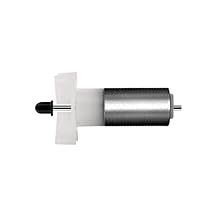
Image 5.2: The impeller, a key component for water movement, should be regularly inspected and cleaned.
NAN. Depanaj
| Pwoblèm | Kòz posib | Solisyon |
|---|---|---|
| Pump does not start or stops working. |
|
|
| Reduced water flow or weak output. |
|
|
| Pump makes loud or unusual noises. |
|
|
7. Espesifikasyon
| Spesifikasyon | Valè |
|---|---|
| Mak | PULACO |
| Nimewo Modèl | PL-128-1 |
| Sous pouvwa | Fil elektrik |
| Wattage | 5 Watts |
| Voltage | 120 Volts |
| Pousantaj maksimòm koule | 95 GPH (1.5 galon pa minit) |
| Maksimòm wotè leve | 3.0 pye (0.9 mèt) |
| Dimansyon pwodwi (L x W x H) | 1.8" x 1.8" x 1.4" |
| Pwa atik | 0.4 liv (6.4 ons) |
| Materyèl | Plastik |
| UPC | 736139002157 |
8. Enfòmasyon sou Sekirite
- Always ensure the pump is totalman submerged in water before connecting it to a power source. Dry running will cause irreversible damage.
- Disconnect the power supply before performing any maintenance, cleaning, or when changing water in your setup.
- This pump is designed for use with 120V electrical outlets. Do not use with incompatible voltage.
- Pa sèvi ak ponp lan si kòd kouran an oswa ploge a domaje.
- Kenbe soti nan atenn timoun yo.
9. Garanti ak sipò
Specific warranty details are not provided within this instruction manual. For information regarding warranty coverage, terms, and conditions, please refer to the product packaging or contact PULACO customer support directly.
For technical assistance, troubleshooting beyond this guide, or to inquire about replacement parts, please contact the seller or manufacturer through their official channels.
Ask a question about this manual
Ask about setup, troubleshooting, compatibility, parts, safety, or missing instructions. Manuals+ will review the question and use this page’s manual context to help answer it.