
1. Entwodiksyon
This manual provides essential information for the proper installation, operation, and maintenance of your KOSO RPM Signal Filter. This device is designed to stabilize and adjust RPM signals from various ignition systems, ensuring accurate readings on compatible tachometers and RPM meters. Please read this manual thoroughly before installation and retain it for future reference.
2. Enfòmasyon sou Sekirite
- Toujou dekonekte batri machin nan anvan ou fè nenpòt travay elektrik pou evite kous kout oswa chòk elektrik.
- Ensure all wiring connections are secure and properly insulated to prevent damage to the filter or other vehicle components.
- Do not attempt to modify the filter. Unauthorized modifications can lead to malfunction and void the warranty.
- Install the filter in a location protected from extreme heat, moisture, and direct physical impact.
- Si ou pa sèten sou nenpòt etap enstalasyon, konsilte yon teknisyen kalifye.
3. Enstalasyon ak Enstalasyon
The KOSO RPM Signal Filter is designed to be integrated into the RPM signal line of your vehicle. Proper wiring is crucial for correct operation.
3.1 Konpozan Plis Paseview
The filter unit typically consists of:
- The main filter module.
- Input and output wiring terminals.
- A potentiometer (adjustable knob or screw) for resistance adjustment (0-100 K Ohm).
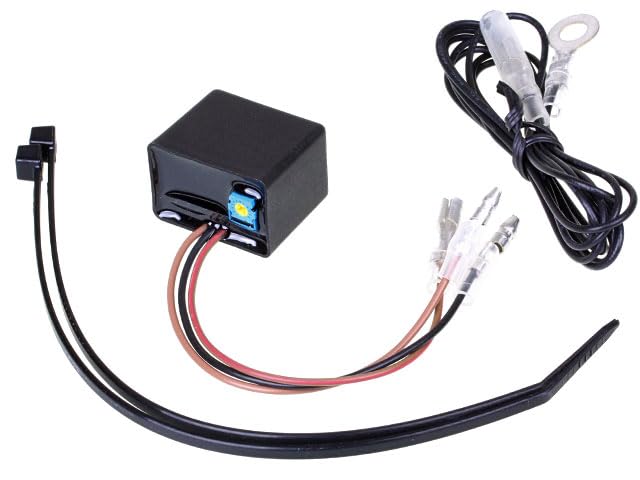
Image 1: KOSO RPM Signal Filter. This image shows the compact design of the filter unit, highlighting the adjustment potentiometer which allows for fine-tuning the signal resistance between 0 and 100 K Ohms.
3.2 Enstriksyon fil elektrik
Follow these steps for wiring the RPM signal filter:
- Identify the RPM Signal Source: Locate the RPM signal wire from your vehicle's ignition system (e.g., CDI unit, ignition coil primary wire, or dedicated RPM output). Consult your vehicle's service manual if unsure.
- Konekte Antre: Connect the RPM signal wire from the vehicle to the input terminal of the KOSO filter.
- Konekte Sòti: Connect the output terminal of the KOSO filter to the RPM input of your tachometer or RPM meter.
- Konekte tè: Ensure the filter has a proper ground connection. This is typically a black wire connected to the vehicle's chassis or battery negative terminal.
- Sekirize fil elektrik: Use appropriate connectors and secure all wiring to prevent accidental disconnection or damage from vibration.
3.3 Ajisteman
The filter features an adjustable potentiometer (0-100 K Ohm) to fine-tune the RPM signal. This adjustment is crucial for achieving accurate RPM readings, especially when dealing with different ignition types or signal strengths.
- Start with the potentiometer in a middle position.
- With the engine running, observe the RPM reading on your tachometer.
- Slowly adjust the potentiometer until the tachometer displays an accurate RPM value. You may need to compare it with a known good tachometer or the vehicle's factory RPM gauge if available.
- Small adjustments can significantly impact the reading. Adjust carefully.
4. Operasyon Enstriksyon
Once properly installed and adjusted, the KOSO RPM Signal Filter operates automatically. It continuously processes the incoming RPM signal, providing a stable and accurate output to your connected RPM display device.
- The primary function is to condition the RPM signal, making it compatible with a wider range of tachometers and reducing signal noise.
- The 0-100 K Ohm adjustment allows for calibration to match the specific requirements of your tachometer and the characteristics of your vehicle's ignition system.
5. Antretyen
The KOSO RPM Signal Filter is designed for long-term, maintenance-free operation. However, periodic checks can help ensure continued performance:
- Enspeksyon fil elektrik: Periodically check all wiring connections for signs of corrosion, fraying, or looseness. Secure any loose connections.
- Tcheke anviwònman an: Ensure the filter remains protected from excessive moisture, heat, or vibration.
- Netwayaj: If necessary, gently wipe the exterior of the filter with a dry, soft cloth. Do not use harsh chemicals or abrasive cleaners.
NAN. Depanaj
If you experience issues with your RPM readings after installing the filter, consider the following troubleshooting steps:
- Pa gen lekti RPM:
- Verify all wiring connections (input, output, ground) are secure and correct.
- Ensure the RPM signal source from the vehicle is active and providing a signal.
- Check the tachometer itself to ensure it is functioning correctly.
- Inaccurate or Erratic RPM Reading:
- Re-adjust the 0-100 K Ohm potentiometer slowly and carefully while observing the tachometer.
- Ensure the RPM signal source is clean and not affected by electrical interference.
- Verify the tachometer's pulse setting (if applicable) matches the vehicle's ignition system.
- Check for any loose or corroded wiring that might be causing signal degradation.
- Filter Not Responding:
- Ensure the filter is receiving power (if applicable, though this model is passive for signal conditioning).
- Inspect the filter unit for any visible damage.
7. Espesifikasyon
| Mak | KOSO |
| Nimewo Modèl | KO-BO035000 |
| Ranje Ajisteman | 0-100 K Ohm (Potentiometer) |
| Fonksyon | RPM Signal Conditioning and Adjustment |
| Konpatibilite | Universal for various ignition systems (requires proper adjustment) |
8. Enfòmasyon sou Garanti
KOSO products are manufactured to high-quality standards. This product is covered by a limited manufacturer's warranty against defects in materials and workmanship. The specific terms and duration of the warranty may vary by region and purchase date. Please retain your proof of purchase for warranty claims. For detailed warranty information, refer to the official KOSO websit la oubyen kontakte distribitè lokal ou a.
9. Sipò pou Kliyan
For technical assistance, installation queries, or troubleshooting support, please contact KOSO customer service. You can find contact information, FAQs, and additional resources on the official KOSO website. When contacting support, please have your product model number (KO-BO035000) and purchase details ready.
Official KOSO Websit: www.koso.com.tw